
MEMS is a speaker technology category; xMEMS is a manufacturer. Neither name guarantees better sound. For listeners, the first question is simple: will the earphone work with the equipment you already own?
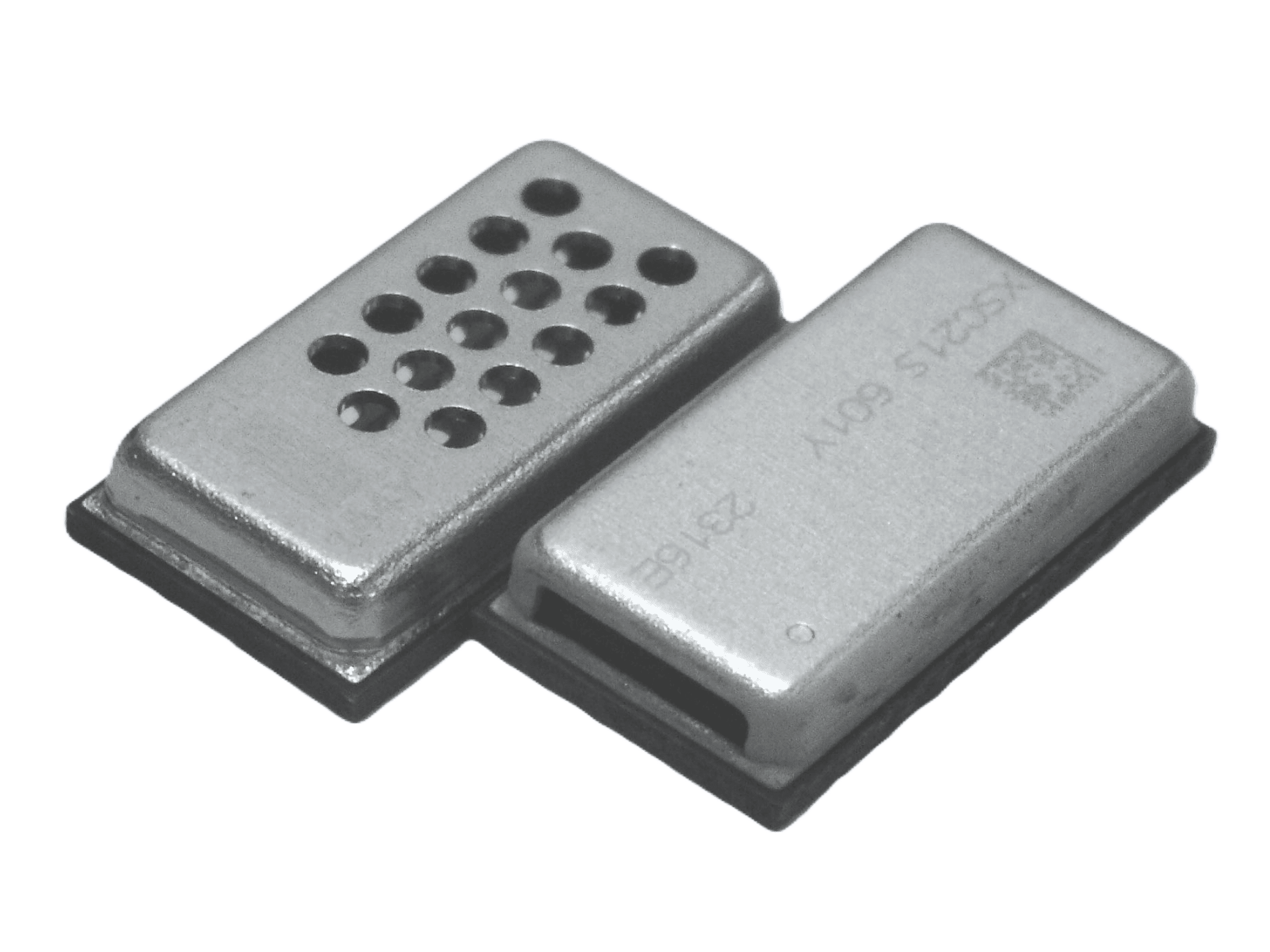
Why TINHIFI paused its USB-C prototype
According to the TINHIFI team, around four years ago it helped xMEMS develop a USB-C earphone sample. That design needed USB-C power for its drive electronics. The connection requirements were an important reason the team did not take it into production.
What does direct drive change?
Direct-drive designs aim to simplify connection to ordinary audio equipment. Check the exact model: “direct drive” does not mean no electrical power is needed, and does not establish a moving-coil operating principle.
Some xMEMS implementations require dedicated drive electronics. Others differ: xMEMS describes its Lassen tweeter as eliminating a separate piezo amplifier. An older prototype does not represent every current model. xMEMS product information.
MEMS components can also have round packages. Shape alone cannot tell you the operating principle or drive requirements.
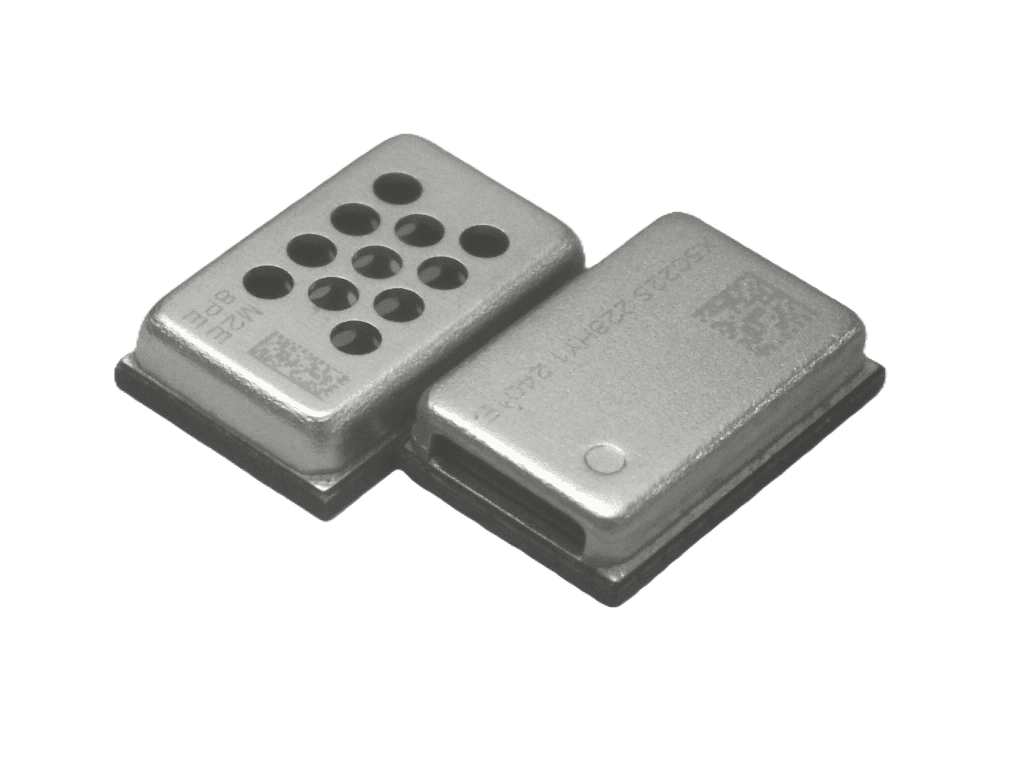
USB-C or an analogue connection?
Analogue IEMs can fit an existing player or amplifier setup. Digital USB-C designs can integrate conversion, amplification and DSP, but require a compatible digital source. Neither connector guarantees better sound.
Easier connection is useful. Sound still depends on tuning, distortion, fit and how the drivers work together.
Price converted from the team’s approximate CNY 30 figure using the reference exchange rate checked on 28 September 2026, then rounded.