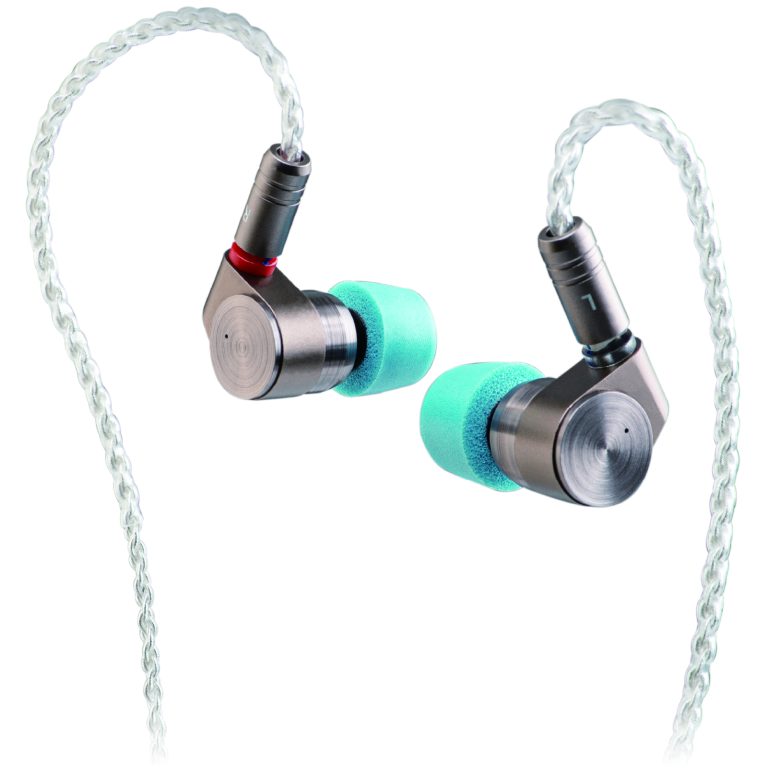
TINHIFI T2 vs CrinEar Nightfall: Sound, Drivers & Acoustic Design
Compare classic TINHIFI T2 and CrinEar Nightfall: driver roles, bass tuning, acoustic chambers, phase, source matching and USB-C EQ.

IEM GUIDES / ENGINEERING & LISTENING
USB-C, also called Type-C, names a connector system; it does not guarantee programmable sound tuning. A USB-C earphone or active audio cable may combine USB audio, a DAC, an amplifier and optional DSP functions.
Parametric EQ controls frequency, gain and bandwidth. Boosts need signal headroom; the combined filter response matters. Lower preamp gain where needed and check the output for clipping.
An app on a phone may process sound before USB transmission. Onboard DSP processes it in the audio device. Preset persistence, app dependence and supported hosts must be verified for the actual implementation.
Start from a defined model and measurement setup. Version presets, provide a flat or bypass option, and test switching, reconnection and different listening levels. EQ does not fix an inconsistent ear-tip seal.
Technical reference: Analog Devices: DSP gain and output clipping
Compare classic TINHIFI T2 and CrinEar Nightfall: driver roles, bass tuning, acoustic chambers, phase, source matching and USB-C EQ.
Developing an earphone? Explore OEM / ODM or share your project brief.