
SOURCE 30 · PROJECT PRACTICE · 17 / 17
IEM Engineering Project Practice
The source project-practice chapter rebuilt for IEM creation: define the listener, brief, prototype, measure, validate, control production and learn from launch.
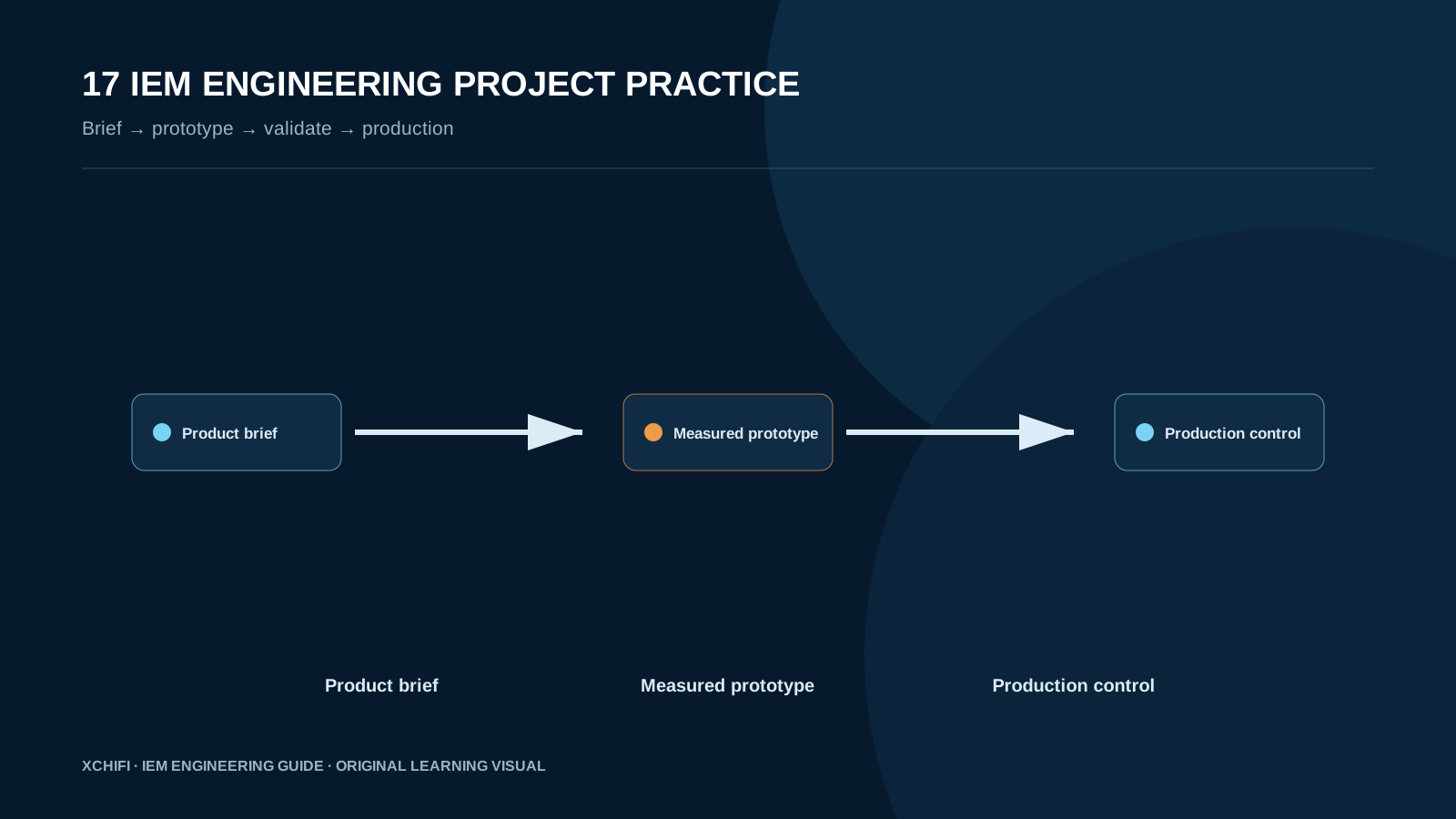
30.1 Requirements analysis
Define who will use the IEM, where, with which source, what music or games, and what comfort, isolation and price limits apply. A driver list is not a product brief.
30.2 Driver selection and matching
Write a tuning brief for bass extension and quantity, vocal position, treble character, maximum level, fit, connection and visual limits. Decide how every claim will be tested.
30.3 System integration and debugging
Change one variable at a time: vent, front volume, damper, driver, bore or DSP. Measure, listen under controlled conditions and record the result.
30.4 Production control and compliance
Specify materials, mesh, glue placement, assembly sequence, matching limits and end-of-line checks before scale. A brilliant prototype is not a finished product until it can be repeated.
30.5 Product feedback and iteration
Collect structured feedback on fit, pairing, durability and tuning. Use it to improve the next revision honestly.
30.6 Delivery and iteration summary
Certification, safety, documentation and after-sales feedback belong in the development plan. Product delivery is not complete when the first engineering sample sounds good.